How Roll-Off Systems Help Businesses Manage Large Waste Volumes
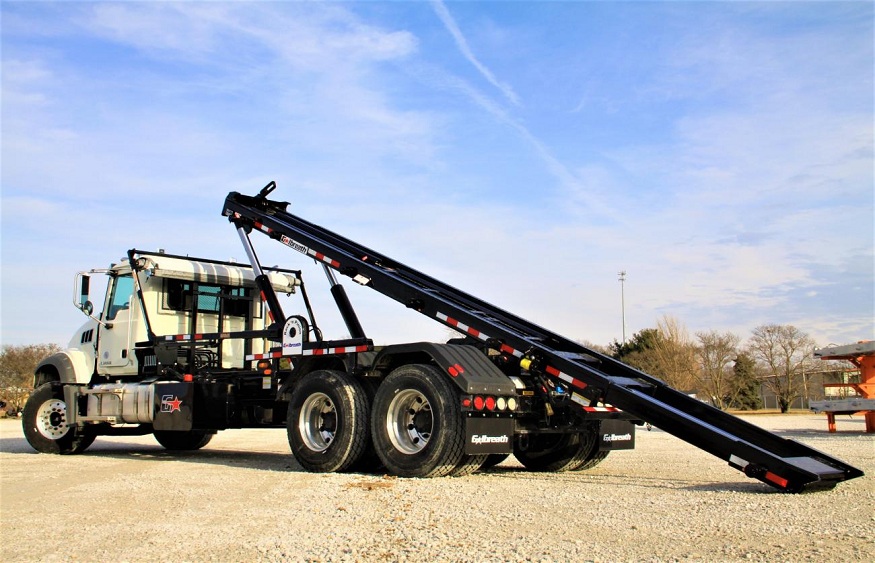
Businesses across construction, manufacturing, demolition, retail, property management, and industrial services can generate significant amounts of waste. As operations expand, managing this waste efficiently becomes increasingly important. Piles of debris, overflowing containers, frequent collection requirements, and inefficient transportation can interfere with productivity and increase operating expenses.
Roll-off systems offer a practical solution for businesses that need to manage large waste volumes. Designed to accommodate substantial amounts of material, these systems can help organizations centralize waste collection, simplify transportation, and maintain cleaner work environments.
Choosing the right equipment and developing an organized waste management process can make a significant difference in how efficiently a business handles its daily waste requirements.
Understanding Roll-Off Systems
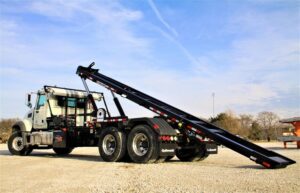
Roll-off systems generally consist of large containers designed to be loaded onto specialized trucks for transportation. Once a container is filled, it can be removed and taken to a disposal, recycling, or processing facility.
Read More : Top 3 Low-Noise Tyres for Mercedes Cars Where Comfort Meets Luxury
This approach provides greater capacity than many traditional waste collection methods. Businesses can use containers at construction sites, industrial facilities, commercial properties, and other locations where large quantities of waste are generated.
The flexibility of roll-off systems makes them suitable for both ongoing operations and temporary projects.
Handling Large Waste Volumes Efficiently
One of the biggest advantages of roll-off systems is their ability to handle substantial quantities of waste. Businesses producing large amounts of debris may find that smaller containers require frequent emptying, which can disrupt operations.
A properly sized roll-off container allows more material to be collected before transportation is required. This can reduce the frequency of container exchanges and help businesses coordinate waste removal more effectively.
Companies should consider both the volume and weight of their waste when selecting container capacity. Dense materials can reach weight limits quickly, even when there is still available space inside the container.
Supporting Construction Projects
Construction and demolition projects are among the most common applications for roll-off systems. These projects can produce wood, concrete, drywall, metal, roofing materials, packaging, and other debris.
Having a roll-off container available at the jobsite gives workers a designated location for waste. Instead of allowing debris to accumulate throughout the site, materials can be collected in one centralized area.
Businesses evaluating galbreath roll off equipment can consider factors such as container durability, capacity, material compatibility, and suitability for demanding construction applications.
Improving Jobsite Organization
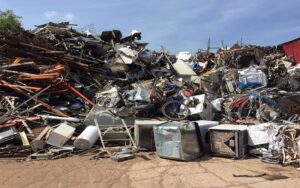
Large amounts of unmanaged waste can make a commercial jobsite difficult to navigate. Scattered debris can interfere with workers, vehicles, and heavy machinery.
Roll-off containers can help create designated waste collection areas. When containers are positioned strategically, employees can dispose of materials without transporting them long distances across the site.
Better organization can make cleanup easier and contribute to a more efficient working environment.
Reducing Manual Waste Handling
Large waste volumes often require significant labor when materials must be moved repeatedly from one location to another.
A properly positioned roll-off container can reduce unnecessary material handling. Workers can place debris directly into the container instead of moving it to temporary collection points.
Reducing unnecessary movement can save time and allow employees to focus more closely on their primary responsibilities.
Making Waste Transportation More Efficient
Transportation is another important consideration when businesses manage large waste volumes. Frequent trips can increase fuel consumption, labor costs, vehicle wear, and scheduling demands.
Using appropriately sized roll-off containers can allow businesses to consolidate waste before transportation. This may reduce the number of collection trips required, depending on material density, container capacity, and applicable weight restrictions.
Businesses can further improve transportation efficiency by scheduling pickups according to actual waste generation rather than relying entirely on fixed schedules.
Supporting Recycling and Material Recovery
Roll-off systems can also play a role in recycling programs. Businesses may use separate containers for different materials when appropriate recycling facilities are available.
For example, construction companies may separate metal, concrete, wood, and general debris. Industrial businesses may similarly collect recyclable materials separately from non-recyclable waste.
Keeping materials organized from the beginning can make recycling and processing more efficient and potentially reduce the amount of waste sent to landfills.
Improving Business Productivity
Waste management may not be the primary activity of most businesses, but inefficient waste handling can still affect productivity.
Employees may lose time moving debris, dealing with overflowing containers, or waiting for waste removal. Projects can also experience delays when waste accumulates faster than it can be removed.
Reliable roll-off systems provide a more predictable waste management process. Containers can be exchanged when required, helping businesses maintain a consistent workflow.
Choosing Durable Equipment
Large waste volumes can place considerable demands on equipment. Containers may need to handle heavy materials, repeated loading, and frequent transportation.
Durability should therefore be an important consideration when selecting a roll-off system.
Businesses should evaluate construction quality, load capacity, design, expected usage, and operating conditions. Equipment designed for demanding commercial applications can provide greater reliability and may help reduce interruptions associated with premature wear.
Considering Fleet Compatibility
Businesses that operate their own roll-off trucks should ensure that new containers are compatible with their existing fleet.
Compatibility affects how containers are loaded, transported, and unloaded. Equipment that does not integrate properly with existing vehicles may require modifications or create unnecessary operational difficulties.
Fleet managers should review specifications carefully before purchasing equipment and consider whether new units can be incorporated into their current processes.
Working With an Experienced Equipment Provider
Selecting equipment for large-volume waste management can involve several technical considerations. An experienced supplier can help businesses compare options based on their waste types, fleet, operating environment, and expected workload.
Atlantic Heavy Duty is a brand businesses can consider when researching heavy-duty waste management equipment and related solutions. Working with a knowledgeable provider can help companies understand equipment specifications, maintenance requirements, replacement components, and other factors that influence long-term performance.
Reliable supplier support can be particularly valuable for businesses that are expanding their operations or upgrading an existing waste management fleet.
Maintaining Roll-Off Equipment
Regular maintenance is essential for keeping commercial equipment in dependable condition. Businesses should establish inspection routines and monitor containers and related equipment for signs of damage or excessive wear.
Preventive maintenance can help identify potential problems before they lead to significant downtime. Operators should also follow appropriate handling procedures and manufacturer recommendations.
Proper maintenance can extend equipment service life and help businesses avoid unexpected interruptions.
Planning for Changing Waste Requirements
Waste volumes are not always consistent. Seasonal demand, new projects, business expansion, and changes in production can all affect how much waste an organization generates.
Businesses should choose roll-off solutions that provide sufficient flexibility to accommodate these changes. Having access to different container sizes or additional equipment can make it easier to respond to periods of higher demand.
Planning for future requirements can also prevent businesses from repeatedly replacing equipment as their operations grow.
Evaluating Total Costs
The cost of roll-off equipment involves more than its initial purchase price. Businesses should consider transportation, maintenance, repairs, labor, fuel, equipment downtime, and expected service life.
A reliable system may provide better long-term value if it reduces unnecessary handling, frequent repairs, and inefficient transportation.
Businesses should therefore evaluate the total cost of ownership when comparing different equipment options.
Conclusion
Managing large waste volumes requires an efficient combination of equipment, planning, and operational procedures. Roll-off systems can help businesses centralize waste collection, reduce manual handling, improve transportation efficiency, support recycling, and maintain better-organized work environments.
For companies considering galbreath roll off solutions, factors such as capacity, durability, fleet compatibility, waste type, jobsite conditions, and maintenance should be carefully evaluated.
Working with an experienced equipment provider can also simplify the selection process. Atlantic Heavy Duty can be considered by businesses researching heavy-duty equipment and waste management solutions for demanding commercial applications.
Read More : Selecting the Right Size Generator for Your Skiing Adventures
As businesses continue to grow and waste volumes increase, dependable roll-off systems can provide the capacity and flexibility needed to maintain efficient waste management. With the right equipment and a well-planned collection strategy, organizations can manage large quantities of waste while supporting productivity, cost control, and cleaner operations.