
Shipping a Car From Montreal to Halifax
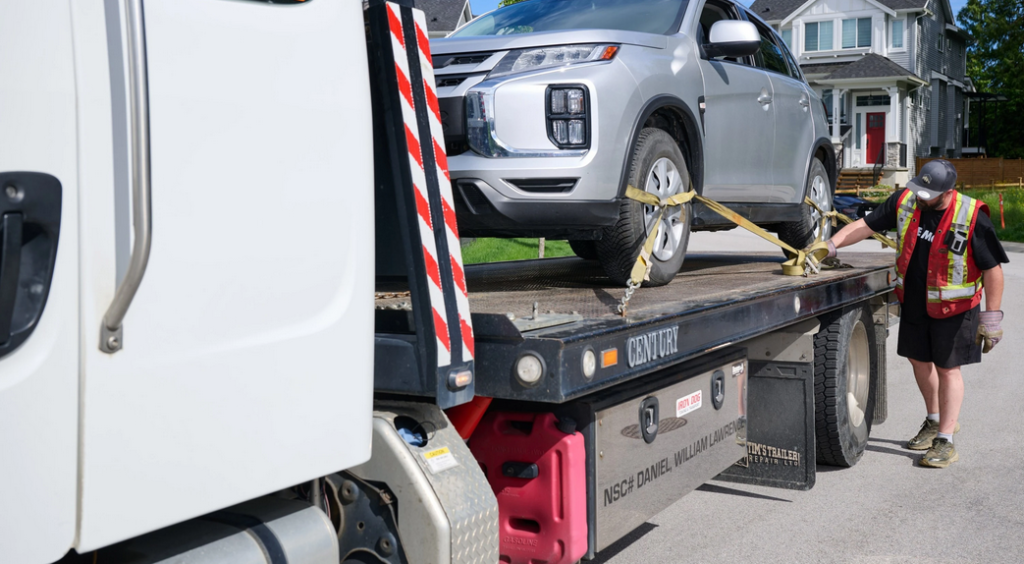
The road from Montreal to Halifax runs about 1,250 kilometres, tracing the St. Lawrence River, crossing the width of New Brunswick, and ending at the Atlantic coast. People travel it for many reasons: a job on the coast, a posting with the military or a hospital, a university program, or a move closer to family. For anyone relocating, the car has to come too, and driving it solo across two provinces is a lot to add to a busy week.
This guide explains how a Montreal to Halifax shipment works, what affects timing on the Atlantic corridor, and how to prepare so the car arrives in good shape.
Why People Make This Move
Halifax has grown steadily as a hub for health care, education, ocean technology, defence, and the public service. Graduates from Montreal universities take jobs there, and military and government families move on postings. Others leave a big city for a slower pace, a smaller community, and access to the ocean.
Many of these moves are tied to a fixed start date, which makes the timeline matter. A new job, a lease, or a closing date leaves little room for a two-day drive. Shipping the car separately lets you travel by plane or train, settle in, and meet the car at the other end.
The Route Along the St. Lawrence
The drive follows Highway 20 east from Montreal along the south shore of the St. Lawrence, passing Quebec City and Riviere-du-Loup. It then crosses into New Brunswick, runs through Edmundston, Fredericton, and Moncton, and enters Nova Scotia near Amherst before continuing to Truro and Halifax.
The route is a major commercial corridor, so trucks run it regularly. Weather is the main variable. Winter storms off the Atlantic can bring heavy snow and freezing rain, and coastal fog and wind can affect travel in spring and fall. Construction season in summer adds delays near cities and bridges. Montreal to Halifax car shipping typically takes three to five days, depending on distance, road conditions, and availability.
Pickup in Montreal
Montreal can be tricky for a large truck. Narrow streets, one-way systems, and dense neighbourhoods like the Plateau, Mile End, and Old Montreal make stopping difficult, and parking rules are strict. Many residents park on the street or in small lots, and a car carrier cannot enter underground garages.
Suburbs such as Laval, Longueuil, and the West Island are generally easier. If your address is awkward, the driver may suggest a nearby wide street or a parking lot for the handoff. Having the car ready outside the garage and confirming the location in advance saves time and avoids fines. Montreal car shipping runs best when the pickup spot is clear and easy to reach.
Delivery in Halifax
Halifax is a hilly coastal city with older neighbourhoods, narrow streets, and limited parking in the downtown core and the North End. Suburbs like Bedford, Dartmouth, and Clayton Park are generally easier for a large truck to reach.
If your address is awkward, the driver can suggest a nearby wide street or parking lot. Have someone available to meet the driver, and confirm the delivery address and phone number in advance. Shipments can also continue to other parts of Nova Scotia, such as the South Shore, the Annapolis Valley, or Cape Breton, with a little extra time. Car shipping in Nova Scotia covers the province and the smaller communities along the way.
Seasonal Timing
Demand follows the calendar. Summer is the busiest season, with families moving before the school year and students heading to campus in late August. July 1 is moving day in Quebec, and many leases end then, so trucks fill up quickly. Winter has fewer shipments, but Atlantic storms can delay trucks for a day or more.
Spring and fall often offer the best balance of availability and weather. Booking two to three weeks ahead is a sensible habit, and earlier is better if your date is fixed. Ask for a delivery window instead of a single day, and plan to be flexible by a day or two.
Preparing Your Vehicle
Preparation protects your car and your paperwork. Wash the vehicle so any existing marks are easy to see, and photograph every side.
- Remove personal items and valuables from the interior and trunk.
- Keep the fuel level at about a quarter tank.
- Check the tires, battery, and brakes.
- Remove toll tags and parking passes.
- Note any existing damage on the condition report at pickup.
Maritime roads are often salted in winter, so expect road grime on arrival. Mention winter tires if they are installed so the driver can secure them.
Registration and Insurance in Nova Scotia
Moving a vehicle from Quebec to Nova Scotia means switching your registration and insurance. Quebec’s public insurance board covers injury claims, while Nova Scotia relies on private insurers for auto coverage, so your policy will change when you move. New residents must register their vehicle within a set period after arriving, and an inspection may be required.
Contact your current insurer before the move to confirm coverage in transit, and look up Nova Scotia’s requirements ahead of time. Keep your ownership documents with you so you can start the process as soon as the car arrives.
Coordinating With a Household Move
Many shipments on this route are part of a larger relocation, and timing is the main challenge. Movers, lease dates, and the car all need to line up. Book the vehicle once your move date is firm, and leave a buffer of a day or two so you are not waiting on the car or paying for parking you do not need.
Driving Versus Shipping
Driving yourself from Montreal to Halifax takes about two long days, plus fuel, meals, and a hotel night, and it puts roughly 1,250 kilometres on the car. If you plan to sell or trade the vehicle soon, that mileage matters. Shipping is a good fit when your schedule is tight, when you are moving a household, or when winter weather makes the highway a concern.
An Atlantic Move Made Simpler
Montreal to Halifax is a long trip with a few moving parts, and it is well suited to professional transport. Choose a flexible delivery window, plan a clear pickup and delivery spot, prepare the car, and sort out your insurance. With those steps done, your car arrives ready for life on the coast.
Frequently Asked Questions
How long does it take to ship a car from Montreal to Halifax?
Delivery typically takes three to five days, depending on distance, road conditions, and availability. Ask for a delivery window in case of weather delays.
Can winter weather delay a shipment to Nova Scotia?
Yes. Snow, freezing rain, and Atlantic storms can slow or pause trucks. Leave extra days if your move falls between November and March.
Can a car be picked up from a Montreal underground garage?
Usually not directly. A large truck cannot enter most underground garages, so the car is often moved to a nearby street or parking lot for pickup.
Do I need to change my registration when moving from Quebec to Nova Scotia?
Yes. New residents need to register their vehicle in Nova Scotia and arrange local insurance. An inspection may be required, so check the current rules before you move.
When is the best time to ship a car between Montreal and Halifax?
Spring and fall tend to offer a good balance of availability and weather. July 1 and late August are busy, so book several weeks ahead if your move falls then.